 Get Financing
1 - 28 of 7,169 Listings
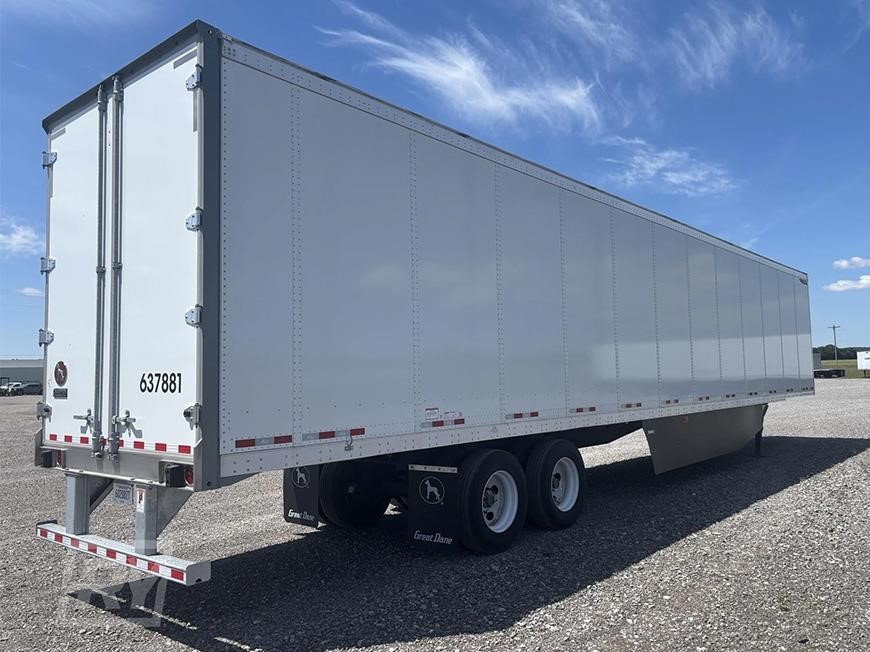
2028 GREAT DANE CHAMPION
Dry Van Trailers

View Details
Rental Prices:
Call For Availability
Lease Prices:
Monthly: USD $995 - $1,200
Quantity: 10
Length: 53 ft
Doors: Swing
Suspension: Air Ride
Wheels: Aluminum
Number of Rear Axles: Tandem
Description: UPDATED PICTURES UPON COMPLETION
ON ORDER FOR JANUARY 2027
FOR SALE OR LEASE PURCHASE
53' DRY VAN
STAINLESS FRONT AND REAR
SLIDING SUSPENSI...
Updated: Friday, November 20, 2026 12:01 PM
Location: Benton, Missouri
Seller: Total Trailers
2028 GREAT DANE CHAMPION
Dry Van Trailers

View Details
Rental Prices:
Monthly: USD $900 - $950
Lease Prices:
Monthly: USD $850 - $950
Quantity: 150
Stock Number: $925/MO SALE-LEASE
Length: 53 ft
Doors: Swing
Width: 102 in
Height: 162 in
Description: ON ORDER FOR NOVEMBER!
FOR RENT, SALE, OR RENT TO OWN
Great Dane Composite Plate Van, Swing Doors, Aluminum Roof, Laminated Hardwood Floor, Hend...
Updated: Friday, November 20, 2026 12:01 PM
Location: Benton, Missouri
Seller: Total Trailers
2028 GREAT DANE CS1-1314-21053
Dry Van Trailers

View Details
Rental Prices:
Monthly: USD $1,200
Lease Prices:
Monthly: USD $995 - $1,200
Quantity: 10
Stock Number: $995/MO SALE-LEASE
Length: 53 ft
Doors: Swing
Suspension: Air Ride
Wheels: Aluminum
Description: ON ORDER!
53' DRY VAN
CS1
SKIRTS
BLACK EXTERIOR
AIR RIDE W/ TIRE INFLATION
Updated: Friday, November 20, 2026 12:01 PM
Location: O'fallon, Missouri
Seller: Total Trailers
2028 GREAT DANE 53 ft Thermo King
Reefer Trailers

View Details
Rental Prices:
Call For Availability
Lease Prices:
Monthly: USD $2,000 - $2,400
Quantity: 50
Stock Number: $2,200/MONTH REEFER
Reefer: Thermo King
Length: 53 ft
Suspension: Air Ride
Doors: Swing
Description: ***COOLING UNITS AND FINANCING AVAILABLE***
THERMO KING S600 UNIT INSTALLED
Everest Super Seal Reefer, Stainless Front Corners, White Front, Diam...
Updated: Friday, November 20, 2026 12:01 PM
Location: O'fallon, Missouri
Seller: Total Trailers
2028 GREAT DANE 53 ft
Dry Van Trailers
View Details
Rental Prices:
Monthly: USD $900 - $950
Lease Prices:
Monthly: USD $900 - $950
Quantity: 50
Length: 53 ft
Doors: Swing
Suspension: Air Ride
Floor Type: Wood Floor
Roof Type: Aluminum
Description: ON ORDER
53' DRY VAN TRAILER
AIR RIDE W/ TIRE INFLATION
SKIRTS
16" ON CENTER WALL SPACING
SWING DOORS
GALVANIZED REAR IMPACT GUARD
22.5 BRID...
Updated: Thursday, November 12, 2026 12:39 PM
Location: Elysburg, Pennsylvania
Seller: Total Trailers
2028 GREAT DANE 53 ft
Dry Van Trailers
View Details
Rental Prices:
Monthly: USD $925 - $995
Lease Prices:
Monthly: USD $925 - $995
Quantity: 50
Stock Number: $950 / MONTH
Length: 53 ft
Doors: Swing
Suspension: Air Ride
Floor Type: Wood Floor
Description: 53' DRY VAN TRAILER
AIR RIDE W/ TIRE INFLATION
SKIRTS
16" ON CENTER WALL SPACING
SWING DOORS
GALVANIZED REAR IMPACT GUARD
22.5 BRIDGESTONE TI...
Updated: Thursday, November 12, 2026 12:39 PM
Location: Benton, Missouri
Seller: Total Trailers
2027 GREAT DANE 53 ft Combination
Flatbed Trailers
View Details
Rental Prices:
Monthly: USD $995 - $1,295
Lease Prices:
Monthly: USD $995 - $1,295
Quantity: 30
Length: 53 ft
Composition: Combination
Number of Toolboxes: 1
Description: 53' COMBO FLATBED
TANDEM AXLE, FIXED AIR RIDE HENDRICKSON SUSPENSION
TIRE INFLATION SYSTEM
FLEETPULSE TELEMATICS
SLIDING WINCH TRACK TIE DOWNS
...
Updated: Wednesday, November 11, 2026 09:33 AM
Location: O'fallon, Missouri
Seller: Total Trailers
2017 MAC TRAILER MFG 48 ft x 102 in Aluminum
Flatbed Trailers
View Details
Rental Prices:
Monthly: USD $995 - $1,250
Lease Prices:
Monthly: USD $995 - $1,250 / $2,500 Down
Stock Number: 48' Aluminum Flatbed
Length: 48 ft
Width: 102 in
Suspension: Air Ride
Composition: Aluminum
Floor Type: Aluminum Floor
Description: FOR SALE, RENT, OR RENT TO OWN
48' X 102", All Aluminum Flatbeds, Coil Package, 2 Nail Strips, Aluminum Wheels, Available Benton, MO
Heavy Duty M...
Updated: Friday, November 20, 2026 12:01 PM
Location: Benton, Missouri
Seller: Total Trailers
2022 STOUGHTON Z-PLATE
Dry Van Trailers
View Details
Rental Prices:
Monthly: USD $850 - $900
Lease Prices:
Monthly: USD $850 - $900
Quantity: 6
Stock Number: $850/MONTH
Length: 53 ft
Doors: Swing
Suspension: Air Ride
Model: Z-PLATE
Description: FOR SALE, RENT, OR LEASE TO OWN
53' DRY VAN
AIR RIDE
Updated: Friday, November 20, 2026 12:01 PM
Location: Benton, Missouri
Seller: Total Trailers
2024 TIMPTE SUPER HOPPER
Hopper / Grain Trailers
View Details
Rental Prices:
Monthly: USD $1,650
Lease Prices:
Monthly: USD $1,650
Quantity: 3
Stock Number: $1650/MO SALE-RENT
Length: 42 ft
Width: 96 in
Suspension: Air Ride
Wheels: Aluminum/Steel
Description: Sale, Rent or Rent to Own
42' x 96" x 78" Timpte Hopper Trailer
Gunmetal Gray
Air Ride Suspension
Hi-Flow 32" x 36" Trap Door
Manual Tarp (c...
Updated: Friday, November 20, 2026 12:01 PM
Location: O'fallon, Missouri
Seller: Total Trailers
2025 TIMPTE 43 ft x 96 in
Hopper / Grain Trailers
View Details
Rental Prices:
Monthly: USD $1,650
Lease Prices:
Monthly: USD $1,650
Quantity: 3
Stock Number: SB187032
Length: 43 ft
Width: 96 in
Suspension: Air Ride
Sidewall Height: 84 in
Description: 43 X 96 X 84 HOPPER BOTTOM TRAILER
SALE, RENT, OR RENT TO OWN
TIMPTE $1650/MO. 43X96X84 HOPPER SALE, RENT, RENT TO OWN
Updated: Friday, November 20, 2026 12:01 PM
Location: Lebanon, Tennessee
Seller: Total Trailers
Length: 42 ft
Width: 96 in
Suspension: Air Ride
Wheels: All Steel
Number of Rear Axles: Tandem
Sidewall Height: 78 in
Description: SALE, RENT, OR RENT TO OWN
42 X 96 X 78 HOPPER TRAILER
TIMPTE 2020 TIMPTE $1650/MONTH 42X96X78 HOPPER SEMI TRAIL
Updated: Friday, November 20, 2026 12:01 PM
Location: O'fallon, Missouri
Seller: Total Trailers
2027 BENSON 53 ft x 102 in Aluminum
Drop Deck Trailers
View Details
Rental Prices:
Daily: USD $375
Weekly: USD $700
Monthly: USD $1,625
Lease Prices:
Monthly: USD $1,640 / 60 Month Lease / $2,500 Down
Quantity: 6
Stock Number: N232-MO
Length: 53 ft
Width: 102 in
Floor Type: Aluminum Floor
Wheels: Aluminum Outside
Description: NEW Benson (Now Wabash) 53’ x 102” Aluminum Drop Deck with Rear Axle Slide! The trailer trusted for over 60 years as Benson now has a new name, Wab...
Updated: Thursday, November 05, 2026 04:43 PM
Location: Villa Ridge, Missouri
Seller: TNT SALES
2023 DOONAN SPECIALIZED 53 ft x 102 in Combination
Drop Deck Trailers
View Details
Rental Prices:
Daily: USD $240
Weekly: USD $510
Monthly: USD $1,175
Lease Prices:
Call For Availability
Stock Number: WTSR 060-09433
Length: 53 ft
Width: 102 in
Suspension: Air Ride
Composition: Combination
VIN: 1D9BG5326P1609433
Description: **Rental Only** 2023 Doonan 53' Platinum Dropdeck. 49" Fifth Wheel Height, 24" King Pin. Aluminum Side Rails with stake pockets and J-Hook track. R...
Updated: Monday, November 23, 2026 09:41 AM
Location: La Vergne, Tennessee
Seller: WALKER'S TRAILER SALES
2023 DOONAN SPECIALIZED 50 ft Combination
Drop Deck Trailers
View Details
Rental Prices:
Daily: USD $300
Weekly: USD $750
Monthly: USD $1,800
Lease Prices:
Call For Availability
Stock Number: WTSR 057-09007
Length: 50 ft
Suspension: Air Ride
Composition: Combination
VIN: 1D9BG5025P1609007
Number of Rear Axles: Tandem
Description: **RENTAL ONLY-NOT FOR SALE** 2023 Doonan Platinum 50'x102" Dropdeck, top deck 10', bottom deck 40'. 49" Fifth Wheel Height. 24" King Pin. Aluminum ...
Updated: Monday, November 23, 2026 09:41 AM
Location: La Vergne, Tennessee
Seller: WALKER'S TRAILER SALES
2020 DOONAN SPECIALIZED 48 ft x 102 in Combination
Flatbed Trailers
View Details
Rental Prices:
Daily: USD $130
Weekly: USD $360
Monthly: USD $895
Lease Prices:
Call For Availability
Stock Number: WTSR 046-09781
Length: 48 ft
Width: 102 in
Suspension: Air Ride
Composition: Combination
VIN: 1D9BV4823L1609781
Description: **RENTAL ONLY-NOT FOR SALE** 2020 Doonan 48' x 102" Diamond Flatbed. 2 Main beams (Standard on 43" beam centers) 24" King Pin, Aluminum side rail w...
Updated: Monday, November 23, 2026 09:41 AM
Location: La Vergne, Tennessee
Seller: WALKER'S TRAILER SALES
2020 DOONAN SPECIALIZED 53 ft x 102 in Combination
Drop Deck Trailers
View Details
Rental Prices:
Daily: USD $175
Weekly: USD $450
Monthly: USD $995
Lease Prices:
Call For Availability
Stock Number: WTSR 048-09833
Length: 53 ft
Width: 102 in
Floor Type: Aluminum Floor
Suspension: Air Ride
Composition: Combination
Description: **RENTAL ONLY-NOT FOR SALE** (Middle Trailer) 2020 Doonan Platinum 53" x 102" Combo Flatbed w/ Coil Kit, 54" Rear Deck Ht., 49" Fifth Wheel, 24" Ki...
Updated: Monday, November 23, 2026 09:41 AM
Location: La Vergne, Tennessee
Seller: WALKER'S TRAILER SALES
2017 DOONAN SPECIALIZED 48 ft x 102 in
Flatbed Trailers
View Details
Rental Prices:
Daily: USD $130
Weekly: USD $360
Monthly: USD $895
Lease Prices:
Call For Availability
Stock Number: WTSR 008-09284
Length: 48 ft
Width: 102 in
VIN: 1D9BV4821H1609284
Number of Rear Axles: Tandem
Description: **RENTAL ONLY-NOT FOR SALE** Doonan Diamond Combo Flatbed, 48'X102", tandem axles, fixed spread axle, 22.5" tires. *Rent by the Day, Week, Or Mont...
Updated: Monday, November 23, 2026 09:41 AM
Location: La Vergne, Tennessee
Seller: WALKER'S TRAILER SALES
2027 DORSEY DC53
Drop Deck Trailers
View Details
Rental Prices:
Daily: USD $300
Weekly: USD $575
Monthly: USD $1,350
Lease Prices:
Monthly: USD $1,335 / 60 Month Lease / $2,500 Down
Quantity: 2
Stock Number: N701-MO
Length: 53 ft
Width: 102 in
Floor Type: Aluminum Floor
Wheels: All Steel
Description: FET Included!
NEW Dorsey 53’ x 102” Combination Drop Deck with Rear Sliding Axle! Combination aluminum and steel construction, steel crossmembers ...
Updated: Monday, November 23, 2026 10:21 AM
Location: Villa Ridge, Missouri
Seller: TNT SALES
2027 DORSEY 48 ft x 102 in Steel
Drop Deck Trailers
View Details
Rental Prices:
Daily: USD $280
Weekly: USD $550
Monthly: USD $1,300
Lease Prices:
Monthly: USD $1,145 / 60 Month Lease / $2,500 Down
Quantity: 3
Stock Number: N764-RY-TW
Length: 48 ft
Width: 102 in
Floor Type: Apitong Floor
Wheels: All Steel
Description: FET Included!
NEW Dorsey 48’ x 102” Steel Drop Deck! All steel construction, steel crossmembers and Apitong wood floor. King pin set at 18”. 122” ...
Updated: Friday, November 06, 2026 03:33 PM
Location: Villa Ridge, Missouri
Seller: TNT SALES
2027 DORSEY 53 ft x 102 in Combination
Flatbed Trailers
View Details
Rental Prices:
Daily: USD $275
Weekly: USD $550
Monthly: USD $1,325
Lease Prices:
Monthly: USD $1,265 / 60 Month Lease / $2,500 Down
Quantity: 8
Stock Number: N720-MO-1
Length: 53 ft
Width: 102 in
Suspension: Air Ride
Composition: Combination
Description: FET Included!
NEW Dorsey 53’ x 102” Combination Flatbed with Rear Sliding Axle! Combination aluminum and steel construction, steel crossmembers an...
Updated: Monday, November 23, 2026 03:06 PM
Location: Villa Ridge, Missouri
Seller: TNT SALES
2027 FONTAINE INFINITY
Flatbed Trailers
View Details
Rental Prices:
Daily: USD $275
Weekly: USD $550
Monthly: USD $1,325
Lease Prices:
Monthly: USD $1,275 / 60 Month Lease / $2,500 Down
Quantity: 3
Stock Number: N121-MO
Length: 53 ft
Width: 102 in
Suspension: Air Ride
Composition: Combination
Description: NEW Fontaine Infinity 53’ x 102” Combination Flatbed with Rear Axle Slide! Combination aluminum and steel construction, steel crossmembers on 12” c...
Updated: Monday, November 23, 2026 10:21 AM
Location: Villa Ridge, Missouri
Seller: TNT SALES
2027 FONTAINE INFINITY
Drop Deck Trailers
View Details
Rental Prices:
Daily: USD $280
Weekly: USD $550
Monthly: USD $1,300
Lease Prices:
Monthly: USD $1,250 / 60 Month Lease / $2,500 Down
Quantity: 6
Stock Number: N100-MO
Length: 48 ft
Width: 102 in
Floor Type: Aluminum Floor
Wheels: All Steel
Description: NEW Fontaine Infinity 48’ x 102” Combination Drop Deck! Combination aluminum and steel construction, steel crossmembers on 18” centers at front dec...
Updated: Monday, November 23, 2026 10:49 AM
Location: Villa Ridge, Missouri
Seller: TNT SALES
2027 FONTAINE INFINITY
Drop Deck Trailers
View Details
Rental Prices:
Daily: USD $300
Weekly: USD $575
Monthly: USD $1,350
Lease Prices:
Monthly: USD $1,345 / 60 Month Lease / $2,500 Down
Quantity: 26
Stock Number: N103-TP-TGL
Length: 53 ft
Width: 102 in
Floor Type: Aluminum Floor
Wheels: All Steel
Description: NEW Fontaine Infinity 53’ x 102” Combination Drop Deck with Rear Axle Slide! Combination aluminum and steel construction, steel crossmembers on 18”...
Updated: Wednesday, November 18, 2026 07:52 AM
Location: Villa Ridge, Missouri
Seller: TNT SALES
2027 FONTAINE INFINITY
Drop Deck Trailers
View Details
Rental Prices:
Daily: USD $325
Weekly: USD $600
Monthly: USD $1,375
Lease Prices:
Monthly: USD $1,420 / 60 Month Lease / $2,500 Down
Quantity: 2
Stock Number: N104-MO
Length: 53 ft
Width: 102 in
Floor Type: Aluminum Floor
Wheels: All Steel
Description: NEW Fontaine Infinity 53’ x 102” Combination Drop Deck with Low Deck Height and Rear Sliding Axle! Combination aluminum and steel construction, 4” ...
Updated: Monday, November 16, 2026 01:51 PM
Location: Villa Ridge, Missouri
Seller: TNT SALES
2027 FONTAINE RENEGADE X20
Double Drop Trailers
View Details
Rental Prices:
Daily: USD $550
Weekly: USD $1,375
Monthly: USD $3,050
Lease Prices:
Monthly: USD $3,220 / 60 Month Lease / $2,500 Down
Stock Number: N946-MO1
Length: 53 ft
Width: 102 in
Suspension: Air Ride
Composition: Steel
Wheels: All Steel
Description: NEW Fontaine Renegade X20 40-Ton Mechanical Double-Drop S-T-R-E-T-C-H RGN with EXTENDED WELL! 53’ x 102”, Non-ground bearing design, all steel cons...
Updated: Friday, November 06, 2026 03:43 PM
Location: Villa Ridge, Missouri
Seller: TNT SALES
2027 FONTAINE VELOCITY
Drop Deck Trailers
View Details
Rental Prices:
Daily: USD $280
Weekly: USD $550
Monthly: USD $1,300
Lease Prices:
Monthly: USD $1,155 / 60 Month Lease / $2,500 Down
Stock Number: N161-MO-4
Length: 48 ft
Width: 102 in
Floor Type: Apitong Floor
Wheels: All Steel
Suspension: Air Ride
Description: NEW Fontaine Velocity 48’ x 102” Steel Drop Deck! All steel construction, 4” Jr. I-Steel beam crossmembers on 18” centers at front and 12” centers ...
Updated: Friday, November 13, 2026 03:33 PM
Location: Villa Ridge, Missouri
Seller: TNT SALES
2023 FONTAINE 53 ft x 102 in Combination
Drop Deck Trailers
View Details
Rental Prices:
Daily: USD $175
Weekly: USD $450
Monthly: USD $995
Lease Prices:
Call For Availability
Stock Number: WTSR 050-60249
Length: 53 ft
Width: 102 in
Suspension: Air Ride
Composition: Combination
VIN: 13N2532C4P1560249
Description: **RENTAL ONLY-NOT FOR SALE** 2023 Fontaine 53' Combo Dropdeck. Rent by the Day, Week or Month. Call Kaila for availability!
Updated: Monday, November 23, 2026 09:41 AM
Location: La Vergne, Tennessee
Seller: WALKER'S TRAILER SALES